

Vietnam’s steel industry is entering a period of strong reshaping with the orientation of sustainable development, high technology and reducing dependence on imported steel. The Government’s official approval of the Steel Industry Development Strategy to 2030, with a vision to 2050 is considered an important milestone to open a new growth cycle for this platform industry.
Towards the position of a regional steel production center
According to Decision No. 261/QD-TTg signed by Deputy Prime Minister Bui Thanh Son, Vietnam aims to develop the steel industry in a modern direction, focusing on high value-added, environmentally friendly product lines and deeper participation in the global supply chain.
The new strategy not only focuses on expanding production scale but also emphasizes quality, technology and material autonomy in the long term. This is considered a strategic step in the context that the global steel industry is strongly affected by the trend of green transformation and international trade competition.
Target 26 million tons of crude steel by 2030
According to the orientation to 2030, Vietnam’s steel industry strives to achieve crude steel output of about 25-26 million tons per year, with an average growth rate of 7-8%.
For finished steel, the output target will reach about 32-33 million tons/year. At the same time, per capita steel consumption is expected to increase to 270–280 kg/person/year — reflecting growing demand from the construction, infrastructure, mechanical engineering, and high-tech industries.
Notably, the steel industry is expected to be able to meet about 80-85% of domestic demand in the early stages of the strategy, thereby significantly reducing dependence on imported steel.
Green steel becomes the focus orientation
One of the most prominent features of this strategy is the orientation of the transition to “green steel” production — a trend that is becoming the new standard of the global steel industry.
The government prioritizes projects applying modern, energy-saving, emission-reducing and environmentally friendly technologies. This is not only a requirement for sustainable development but also an important condition for Vietnamese steel to improve its competitiveness in major export markets.
In addition, the strategy also aims to develop high-value special steel lines such as alloy steel, stainless steel, tool steel and steel for national defense and security. These are the segments that Vietnam currently still relies heavily on imports.
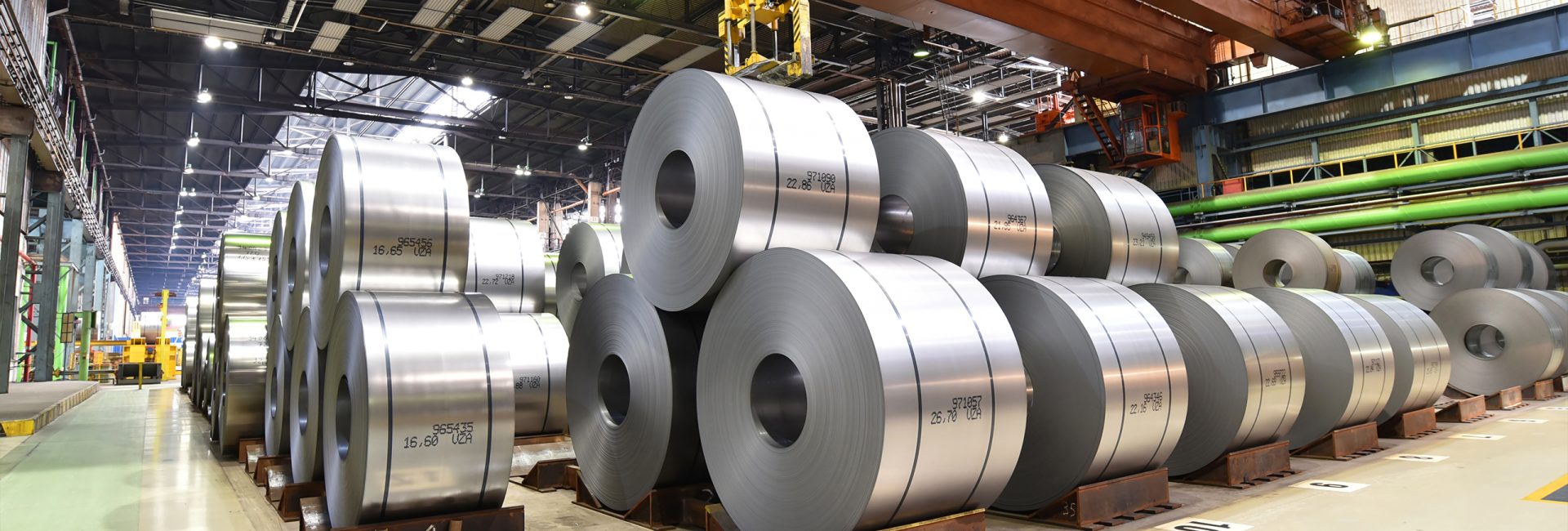
“green steel” production — a trend that is becoming the new standard of the global steel industry
Accelerating investment in infrastructure and technology
In the period of 2035-2050, Vietnam aims to increase crude steel production to about 65-70 million tons/year, and at the same time increase the output of finished steel products to 75-80 million tons/year.
The strategy also determines that it will focus on developing large-scale steel production complexes in areas with the advantage of deep-water ports to optimize logistics and raw material supply chains.
Key products prioritized for research and production include:
- Steel Rail for High-Speed Rail System
- High Strength Steel Plate for Heavy Industry
- Corrosion-resistant steel for sea and island projects
- Cast steel pipes for the liquefied natural gas and energy industries
These orientations show that Vietnam’s steel industry is no longer only focusing on output, but is shifting strongly to a high-tech strategy and greater added value.
Great opportunities but fiercer competition
Experts say that the new development strategy will open up great opportunities for domestic steel enterprises when market demand continues to increase sharply thanks to public investment, urbanization and industrialization.
However, along with the opportunity is the increasingly fierce competitive pressure from international environmental standards, the trend of reducing carbon emissions and increasing technology requirements.
In this context, Vietnamese steel enterprises are forced to accelerate technological transformation, invest in green production and improve governance capacity if they want to participate more deeply in the global value chain.
The development strategy of the steel industry to 2050 is therefore not only a problem of output growth, but also an important step for Vietnam’s steel industry to get closer to the goal of sustainable development and international competitiveness.
See some chemicals for the steel industry here: https://dk-chemicals.vn/
See some of our other products here: https://dk-metalsurfacetreatment.com/san-pham-cong-ty-tnhh-hoa-chat-d-k/