

Vietnam’s steel industry is witnessing an increasingly clear differentiation as the market share advantage and production scale continue to focus on leading enterprises in the steel industry in Viet Nam. While the “big players” maintain their growth momentum and strengthen their positions, many small and medium-sized enterprises face increasing competitive pressure in the context of declining exports and the domestic market becoming the main battleground. The development of the steel industry in Viet Nam is crucial for the economy, driving infrastructure projects and construction.
Market share focused on the leading group
This advancement in the steel industry in Viet Nam not only supports economic growth but also enhances job opportunities across various sectors.
According to the Vietnam Steel Association’s (VSA) overview report on the first quarter of 2026, the steel industry in Viet Nam growth trend is no longer uniform among businesses but is strongly leaning towards the market leaders. In the construction steel segment – the sector accounting for the largest proportion of the industry – Hoa Phat Group continues to affirm its number one position with 36.06% market share, far behind the rest of the competitors.
The resilience of the steel industry in Viet Nam is demonstrated through the ongoing investments in technology and innovation by leading companies.
In second place is Vietnam Steel Corporation with 12.92% market share. Meanwhile, enterprises such as Viet Italia Steel, Pomina or Southern Steel only account for a few percent. Although the group of small and medium-sized enterprises holds more than 40% of the market share of the whole industry, the fragmentation makes this sector not create a significant competitive advantage.
Experts said that Hoa Phat’s advantages not only come from the large production scale but also thanks to the vertically integrated production model, helping businesses proactively source raw materials, minimize the impact of input price fluctuations and maintain stable business efficiency.
Such innovation is essential for the steel industry in Viet Nam to stay competitive in both domestic and international markets.
Exports declined, pressure on the domestic market
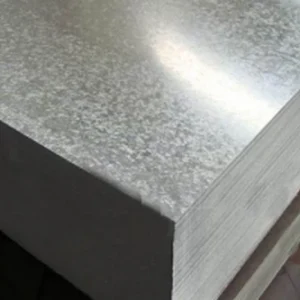
The picture in the galvanized steel plate shows more challenges. Steel export activities in the first quarter of 2026 recorded a downward trend, while trade remedies were increasingly applied by many major markets. This puts significant pressure on businesses with a high proportion of exports such as Hoa Sen Group and Nam Kim. The steel industry in Viet Nam must adapt to these changes to survive.
As the momentum from foreign markets slows down, domestic competition becomes more intense. Hoa Sen is considered to have an advantage thanks to its extensive distribution system, while Nam Kim faces the problem of balancing the consumption market and the ability to maintain profit margins. The steel industry in Viet Nam needs to innovate to overcome these challenges.
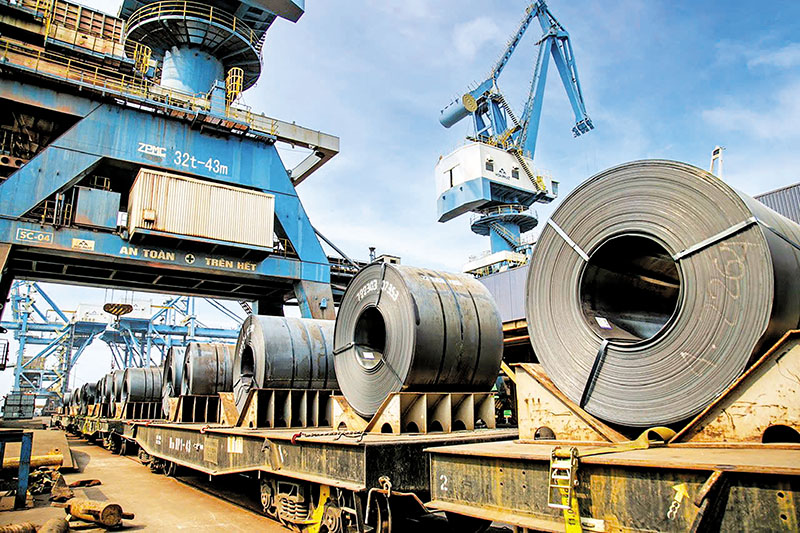
Steel exports in the first quarter of 2026 showed a downward trend, while trade protection measures were increasingly applied by many major markets.
The race shifts from output to efficiency
According to analysts, the steel industry is entering a new period of competition. If in the past businesses focused on expanding capacity and increasing output, now the ability to control costs, optimize product structure and build an effective distribution system is the decisive factor for competitiveness.
In the context of an increasingly differentiated market, market share is still an important measure, but it is no longer the only factor determining success. The ability to generate sustainable profits and the ability to adapt to market fluctuations will be the key to helping businesses maintain their position in the coming period.
Overall, the steel industry in Viet Nam is at a critical juncture, requiring strategic planning and execution by all stakeholders involved.
Steel and raw material prices continue to be under downward pressure
Developments in the international raw material market also show less positive signals. In the latest trading session, steel bar futures on the Shanghai Exchange fell 0.45%, to around 3,107 yuan/ton. Iron ore futures in Dalian fell 0.55 percent to $806.5 a tonne, while in Singapore it fell by $0.5 to $106.38 a tonne.
The downward pressure is said to stem from China’s allowing domestic units to purchase inventories from BHP Group, and the price of coking and coking coal also went down simultaneously, leading to a decline in many other steel products.
In the short term, Vietnam’s steel industry is forecasted to continue to face strong differentiation between business groups. Those that have the advantage of scale, supply chain and distribution system will have more opportunities to increase market share, while small businesses are forced to restructure to remain competitive in an increasingly tough market.
The future of the steel industry in Viet Nam depends on how quickly businesses can pivot and adapt to these market dynamics.
See some chemicals for the steel industry here: https://dk-chemicals.vn/
See some of our other products here: https://dk-metalsurfacetreatment.com/san-pham-cong-ty-tnhh-hoa-chat-d-k/