

Heading into 2026, the global steel industry in 2026 is facing a major paradox: record excess production capacity while trade barriers are increasing. In that context, Vietnam’s steel industry in 2026 is forced to adjust its development strategy, shifting its focus from exports to exploiting the domestic market in search of new growth drivers.
Global oversupply creates unprecedented pressure
According to published data, the world steel market in the period 2025-2026 is strongly affected by excess production capacity. Total global steel production in 2025 will reach about 1.85 billion tons, while excess capacity is estimated to exceed 600 million tons. This is a factor that makes international steel prices unlikely to increase sharply in the short term.
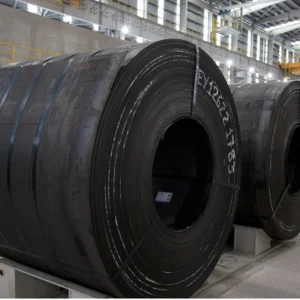
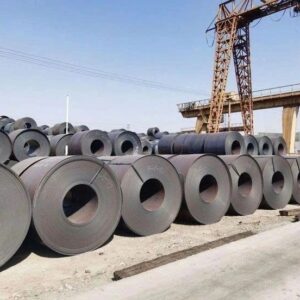
In that general picture, China continues to play a dominant role, accounting for more than half of global steel production. The weakening of domestic demand in this country has boosted steel exports, especially hot-rolled coil (HRC), to increase significantly, putting competitive pressure on many markets around the world.
In addition to oversupply pressure, the trend of trade protectionism is also increasing sharply. New tariffs and stringent environmental standards, particularly the European Union’s carbon border adjustment mechanism (CBAM), are forcing manufacturers to accelerate the transition to a green and low-emission steel production model.
As the steel industry in 2026 evolves, manufacturers will need to adapt to these changes and find innovative solutions to remain competitive.
Prospects for the Steel Industry in 2026
The focus on the steel industry in 2026 will be critical for understanding global market dynamics.
In the midst of fluctuations in the global market, Vietnam continues to record positive signals in production. In 2025, Vietnam’s crude steel output will reach more than 24.6 million tons, up 12.2% compared to the previous year, bringing Vietnam to 11th place in the world in terms of steel output.
However, this achievement does not reflect the entire picture of the industry. Steel export turnover decreased by nearly 38%, showing the obvious impacts of declining international demand and trade protectionist measures in many key export markets.
In the face of that reality, the development strategy of Vietnam’s steel industry is changing significantly. Instead of relying heavily on exports, businesses are turning more strongly to the domestic market, where steel consumption demand in 2026 is forecast to reach about 26 million tons, up from 8-10% thanks to public investment projects, transport infrastructure and civil construction continue to be promoted.
New competition between segments
According to experts, the trend of differentiation in the steel industry will become more and more obvious in 2026. The group of upstream steel producers, especially those capable of supplying hot-rolled steel coils (HRC), is holding a great advantage thanks to stable demand and the ability to proactively supply.
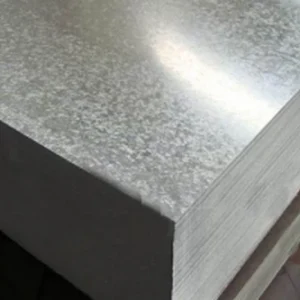
In contrast, the galvanized steel sector and products that rely heavily on exports will continue to be under intense competitive pressure, not only from cheap imports but also from increasing production costs and environmental requirements. This makes 2026 considered a pivotal period, determining the position of each enterprise in the new development cycle of Vietnam’s steel industry.
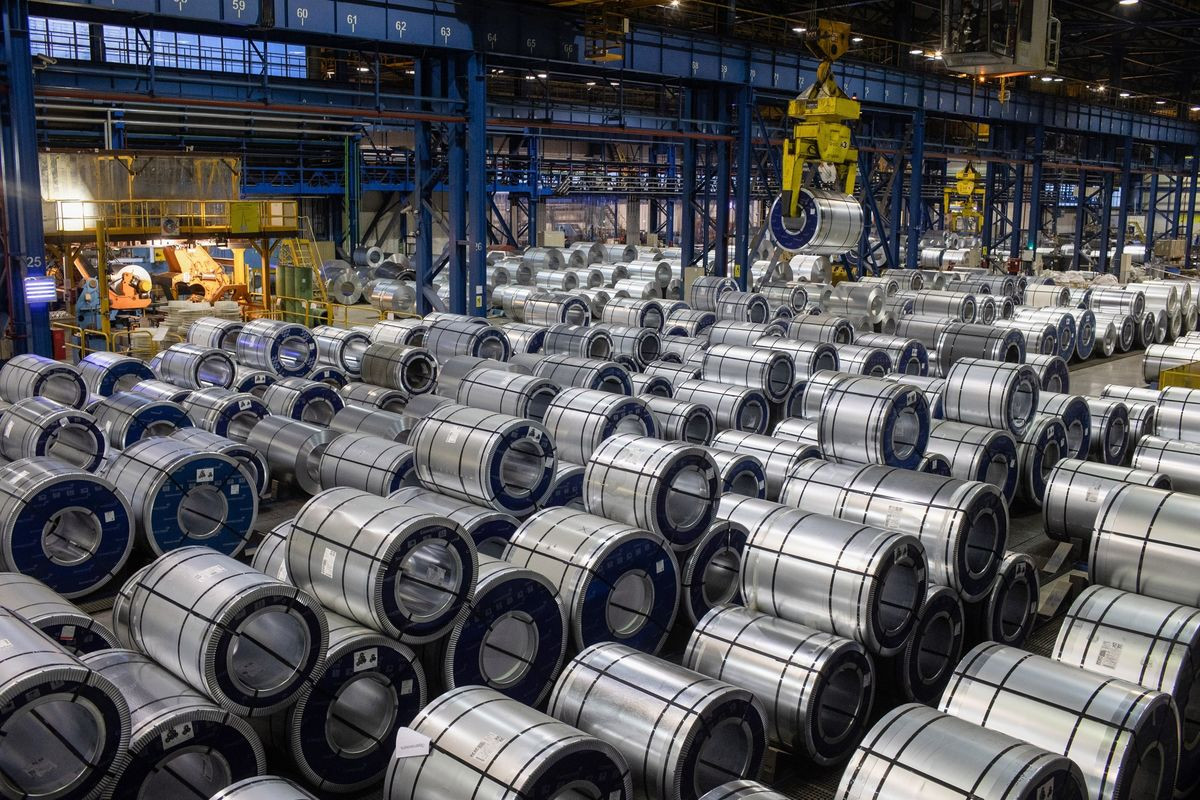
2026 is considered a pivotal year, determining the position of each enterprise in the new development cycle of Vietnam’s steel industry.
Positive signals from the raw material market
The raw material market will be key to the success of the steel industry in 2026, impacting production costs and strategies.
Although the overall outlook is challenging, the steel raw material market has recently recorded some optimistic signals. Steel bar futures on the Shanghai Exchange rose 0.5%, to 3,087 yuan/mt, while iron ore futures in Dalian rose 2.3%, to 801 yuan/mt.
The upward momentum comes from the positive signals of the Chinese economy. GDP growth in the first quarter reached 5%, exceeding analysts’ forecasts, contributing to strengthening confidence in the ability to recover steel demand in the near future. At the same time, China’s commitment to control overcapacity from March is also raising expectations that supply will be tighter in the future.
The decisive moment for Vietnam’s steel industry
2026 is forecasted to be an important transformation year for Vietnam’s steel industry. In the context of a prolonged global oversupply and trade barriers that continue to increase, businesses can no longer rely entirely on the export market as before.
The global outlook for the steel industry in 2026 will largely depend on how well businesses adapt to market demands.
The ability to capitalize on domestic demand, invest in green production technology, improve operational efficiency, and participate more deeply in the value chain of high-quality steel will become determinants of competitiveness. With the scale of production increasing and domestic demand continuing to grow, Vietnam is facing the opportunity to reposition its role on the regional steel map, but only businesses that adapt quickly can take advantage of this opportunity.
See some chemicals for the steel industry here: https://dk-chemicals.vn/
See some of our other products here: https://dk-metalsurfacetreatment.com/san-pham-cong-ty-tnhh-hoa-chat-d-k/
Steel industry in 2026,Steel industry in 2026,Steel industry in 2026,Steel industry in 2026,Steel industry in 2026,Steel industry in 2026