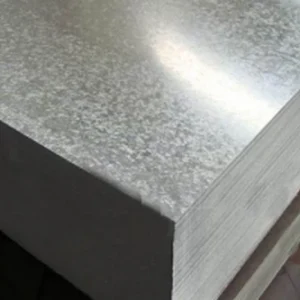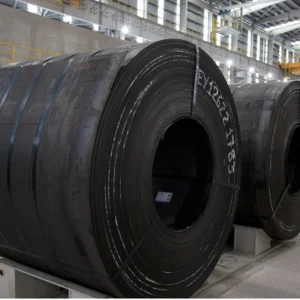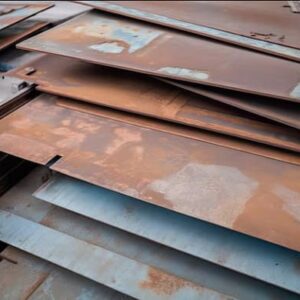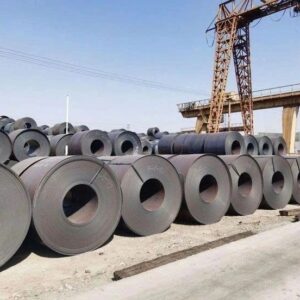


In the context of the steel, aluminum, mechanical, electronics and construction industries that are increasingly demanding in terms of durability and corrosion resistance, passivation, particularly Metal Passivation, is becoming one of the most important surface treatment technologies. Not only does this technology help protect metals from environmental impacts, but it also contributes to improving product quality, reducing maintenance costs, and meeting modern manufacturing standards.
Furthermore, implementing Metal Passivation ensures that your products withstand the test of time against corrosion and wear.
What is Passivation?
Passivation is the process of treating metal surfaces to create an ultra-thin protective film on the surface of the material. This film acts as an “invisible shield”, helping the metal to limit its reaction to corrosive agents such as water, air, moisture, salt, or industrial chemicals.
In essence, passivation removes impurities and free metals from the surface, and promotes the formation of a stable oxide layer with high oxidation resistance. As a result, the metal surface maintains its shine, increases its service life and retains its technical properties for a long time.
Furthermore, understanding Metal Passivation is crucial for industries looking to enhance their manufacturing processes and extend the life of their products.
The importance of Metal Passivation cannot be overstated as it plays a vital role in ensuring long-lasting quality and reliability.
Today, passivation is widely applied to stainless steel, aluminum, titanium, zinc, galvanized steel, and many other alloys in industries that require high strength and reliability.
Why should businesses passivate metals?
In the modern manufacturing environment, metal corrosion not only reduces product life, but also entails the cost of repairs, replacements, and operational interruptions. Therefore, passivation is considered an investment solution that brings long-term economic efficiency.
Investing in Metal Passivation is essential for safeguarding your assets and enhancing their operational lifespan.
Increased corrosion resistance
The most prominent benefit of passivation is that it creates a protective layer that prevents oxidation and limits rust formation. This is especially important for products that work in environments with high humidity, chemicals, or seawater.
With the application of Metal Passivation, businesses can ensure their products remain functional and aesthetically pleasing.
Reduced maintenance and operating costs
When metal is better protected, businesses can significantly reduce the frequency of servicing, repairing, or replacing equipment. This contributes to optimizing operating costs and limiting unplanned downtime.
Utilizing Metal Passivation techniques helps businesses maintain high product standards while reducing costs.
Product Quality Assurance
In fields such as food, pharmaceuticals, electronics or aviation, metal surfaces need to achieve high cleanliness and stability. The passive film helps to limit contamination, ensure product quality and meet stringent technical requirements.
By applying Metal Passivation, industries can guarantee that their products meet the highest quality benchmarks.
Enhance aesthetics
Besides protection, passivation also makes the metal surface shinier, more uniform and more beautiful. This is an important factor for furniture products, home appliances and high-end architectural materials.
The process of Metal Passivation enhances not only durability but also the visual appeal of various metal products.
The Importance of Passivation in Modern Industry
From the automotive and electronics industries to aerospace and construction, passivation is acting as an important link in the production chain.
Many sectors are recognizing the value of Metal Passivation in achieving higher production efficiency and reliability.
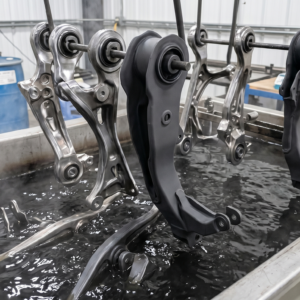
In the automotive industry, this technology helps protect the chassis, body, and structural details from corrosion over time. In the field of electronics, passivation contributes to maintaining stable electrical conductivity and extending component life. For the aviation industry, the protective film helps the alloys withstand harsh environments and high operating pressures.
In addition, the food, pharmaceutical, oil and gas, chemical, and offshore industries are also looking at passivation as an essential solution to improve the durability and safety of equipment.
Adopting Metal Passivation solutions is now considered a crucial strategy for growth in competitive markets.
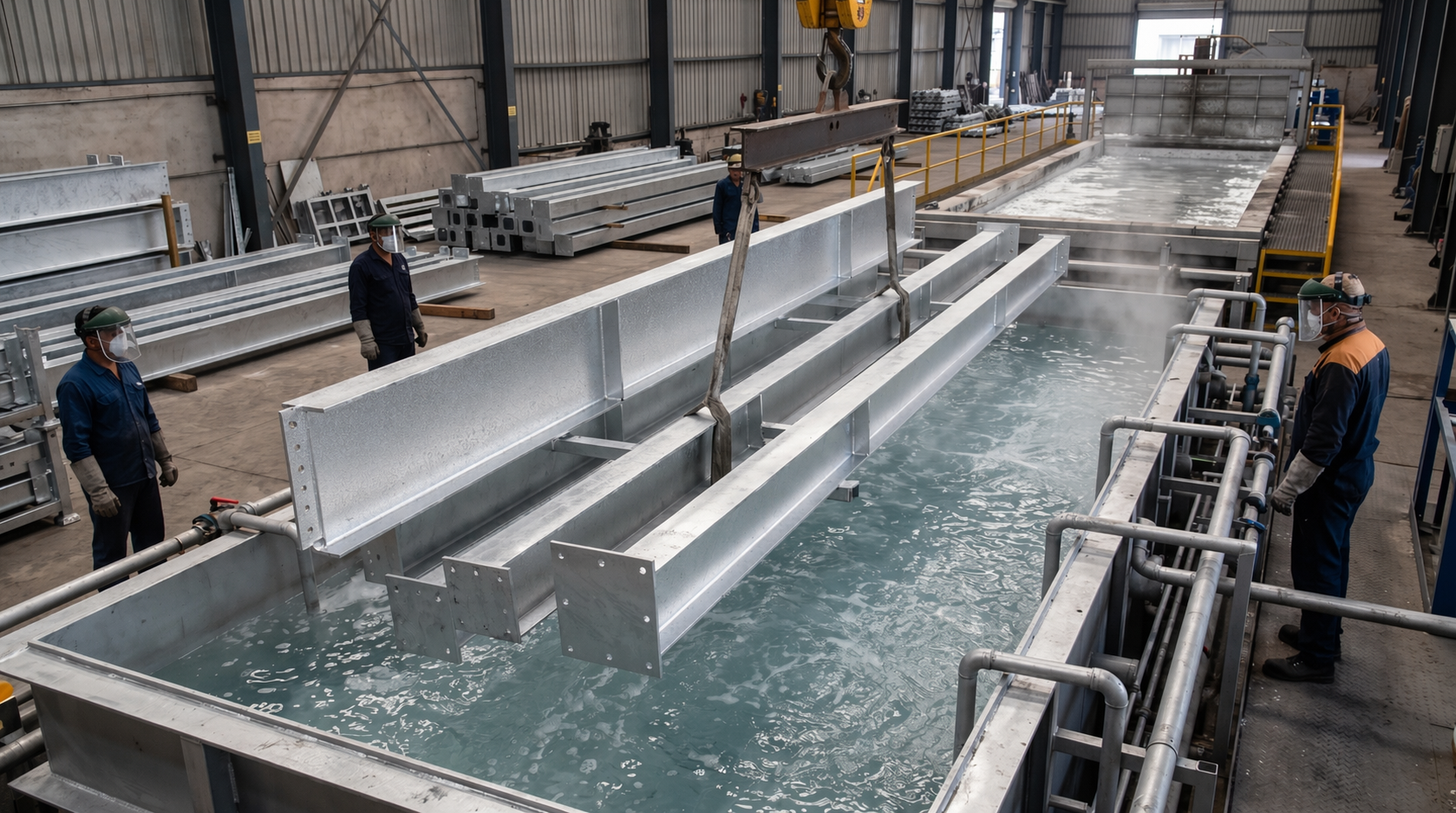
Passivation is becoming one of the most important surface treatment technologies that help protect metals from environmental impacts, improve product quality, reduce maintenance costs, and meet modern manufacturing standards.
Hence, understanding the advantages of Metal Passivation can lead to significant operational improvements.
Common types of passivating chemicals today
Choosing suitable Metal Passivation methods can greatly impact the overall performance of metal products.
The development of surface treatment technology has created various lines of passivated chemicals, meeting the diverse needs of each type of metal and production conditions.
The right Metal Passivation chemicals can make a substantial difference in product longevity.
Acid-based Passivation Chemicals
This is the most common group of chemicals, including nitric, phosphoric, sulfuric, and hydrochloric acids. They help clean surfaces, remove free metals, and promote the formation of a protective oxide layer.
Alkaline Based Passivation Chemicals
Compounds such as sodium hydroxide or potassium hydroxide are used to treat iron, steel, and aluminum, which help to remove light rust and stabilize the material’s surface.
Chromate Chemicals
Chromium III or VI valence chromium solutions form a film with high oxidation resistance and increase adhesion to subsequent coats or coatings.
Iron-based and zinc-based chemicals
These are specialized solutions that stabilize the surface of steel, iron or galvanized materials, limit local corrosion and maintain long-term mechanical strength.
Titanium-based chemicals and metabolic coatings
Titanium compounds are used for titanium and titanium alloys in high-tech industries such as aviation, energy, and medical. Meanwhile, metabolic coatings help increase paint adhesion, improve corrosion resistance, and improve surface strength.
The trend of shifting to Cr(VI)-free technology
In recent years, environmental regulations have increasingly tightened the use of hexavalent chromium (Cr(VI)) due to health and environmental risks. This prompted the surface treatment industry to shift aggressively to Chromium 6+-free solutions or to trivalent chromium (Chromium 3+ is more friendly.
This is not only a legal compliance requirement but also an inevitable trend to help businesses build a green, sustainable production model that meets international standards.
DK Chemicals – New Generation Passivation Solution for the Surface Treatment Industry
Through advanced Metal Passivation techniques, businesses can enhance their market competitiveness.
In the field of metal surface treatment chemicals, DK Chemicals is one of the pioneers in developing Chromium 6+-free passivation and pretreatment solutions, meeting the increasingly demanding requirements of the global market.
With a focus on Metal Passivation, companies can meet both regulatory requirements and consumer expectations.
Prominent in DK Chemicals’ product portfolio is the PrimeCoat® brand, which offers passivation, pretreatment and thin organic coating (TOC) solutions for the continuous metal processing (coil coating) industry. PrimeCoat® products are developed in a Chromium 6+ non-chromium orientation and can be flexibly customized to suit each specific production process.
DK Chemicals offers Chromium 6+-free passivation and pretreatment solutions that meet the increasingly demanding requirements of the global market
In addition, the PreCoat® series offers high-performance conversion layer solutions for aluminum, steel, galvanized alloys and many other base metals. This system is designed to optimize paint adhesion, improve corrosion resistance and meet international standards such as Qualicoat, Qualisteelcoat, GSB and MIL Specifications.
With the philosophy of sustainable development and the orientation of eliminating Chromium 6+ from the production process, DK Chemicals is contributing to promoting the metal surface treatment industry closer to greening goals and optimizing operational efficiency for businesses.
In the context of product life, operational efficiency and environmental requirements are increasingly at the forefront, passivation is no longer an optional stage but has become a strategic solution for many industries. Choosing the right technology and passivation chemicals not only helps to extend the life of the metal, but also improves product quality, reduces maintenance costs, and creates a sustainable competitive advantage for businesses.
In summary, Metal Passivation is an indispensable process for modern manufacturing practices aimed at sustainability.
The emergence of innovative solutions such as PrimeCoat® and PreCoat® from DK Chemicals is opening up a new direction for the surface treatment industry, where high performance can go hand in hand with environmental standards and sustainable development.
Explore Some Surface Treatment Chemicals Here: https://dk-chemicals.vn/
Explore Some of Our Other Products Here: https://dk-metalsurfacetreatment.com/san-pham-cong-ty-tnhh-hoa-chat-d-k/