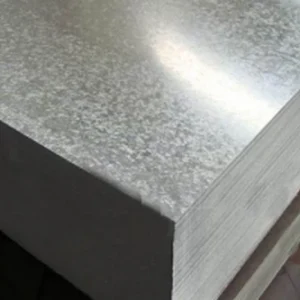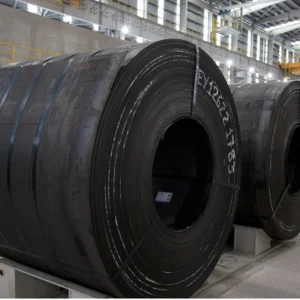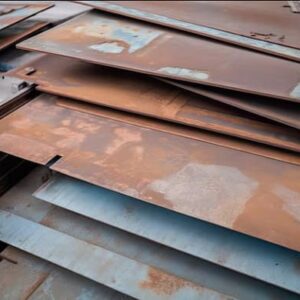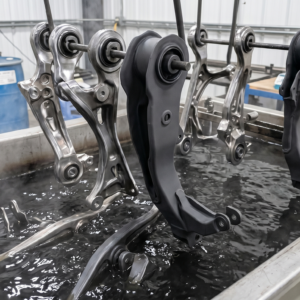


In the metal processing and surface treatment industry, galvanizing has long been seen as an effective solution to protect steel from corrosion, extend product life, and enhance commercial value. However, the reality shows that many products after plating still appear white rust after only a short time of use or storage. The reason lies not only in the quality of the coating but also on the passivation stage – the final processing step that determines the corrosion resistance of the product.
So what are the steps of the standard galvanizing process? Should businesses choose Crom 6+, Crom 3+ or Chrome-Free passive chemicals? These are questions that many manufacturers of steel, mechanical components and metal accessories are interested in.
Industry-standard galvanizing and passivation process
To create a sustainable protective coating, the post-plating process needs to be strictly controlled from cleaning to drying.
Step 1: Rinse after plating
After completing the galvanizing process, the surface of the product still has chemical residues and additives from the plating solution.
The goal of this stage is to completely remove impurities in order to avoid contamination of the passivation tank and ensure the quality of the protective film.
Multi-tank upstream washing systems are now considered the optimal solution to improve cleaning efficiency and save water.
Step 2: Surface activation
The zinc surface after exposure to air will form a thin layer of oxide which reduces the reactivity of passive chemicals.
Therefore, the product is often immersed in a dilute acid solution for a short time in order to remove this oxide layer, creating a “fresh” and homogeneous zinc surface.
Step 3: Passivation – the heart of the process
This is the most important stage.
The product is immersed in a passive solution to create an ultra-thin chemical conversion film on the zinc surface. This film serves as a protective barrier against moisture, oxygen, and corrosive agents.
Parameters that need to be strictly controlled include:
- Chemical concentration.
- pH value.
- Solution temperature.
- Soaking time.
- Stirring level.
Just one parameter that exceeds the permissible limit can significantly reduce the corrosion resistance of the coating.
Step 4: Passive Post-Wash
The goal is to remove the excess chemicals that remain on the surface.
For high-quality products, DI water is often used at the end stage to limit spots and improve the uniformity of the coating.
Step 5: Drying
The newly formed passive film has a gel-like structure and is quite sensitive to temperature.
Therefore, the drying temperature is usually maintained at 60–70°C to ensure a stable film and achieve maximum corrosion resistance.
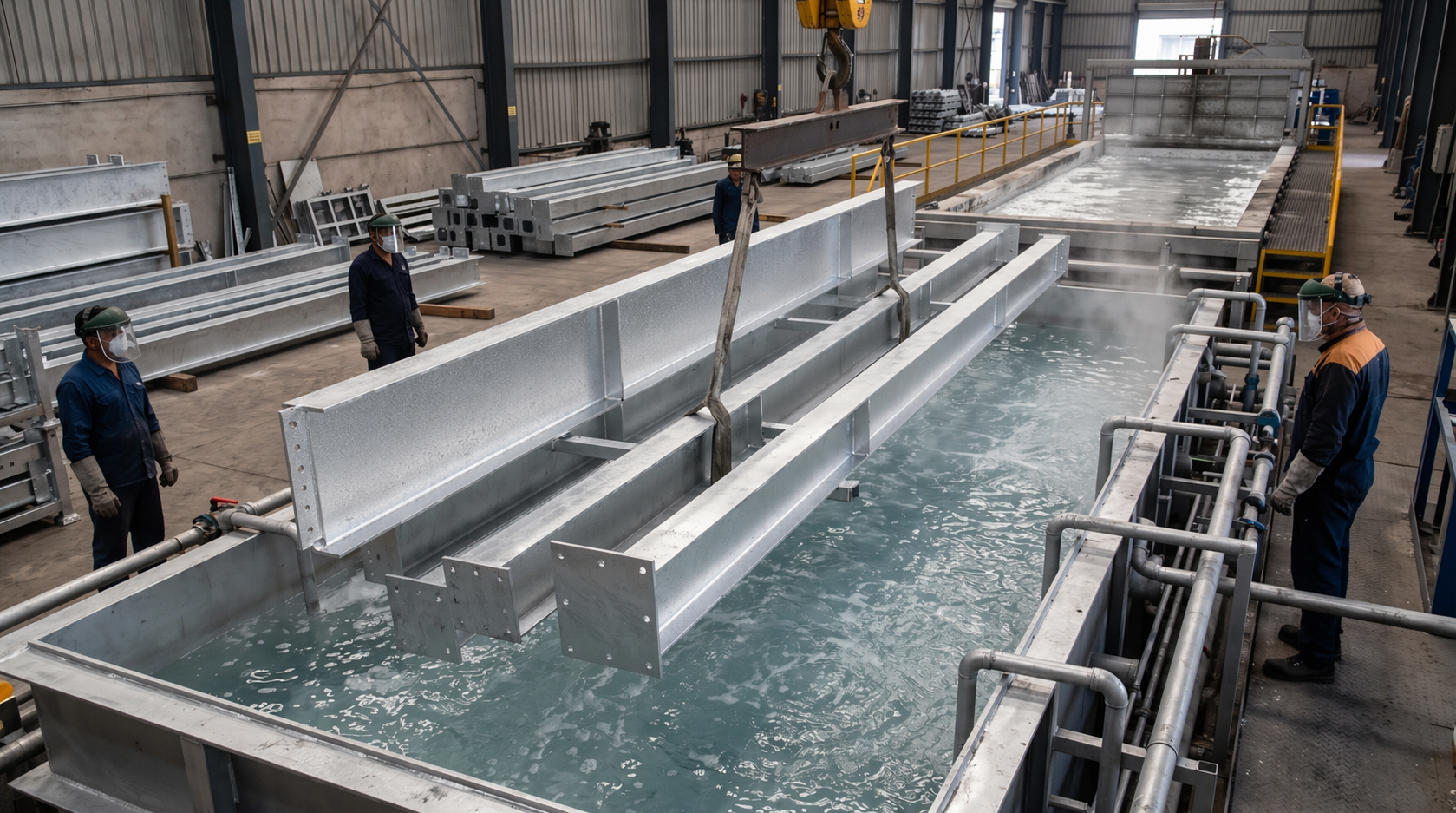
In the context of increasingly stringent environmental standards, Chromium 3+ and Chrome-Free are emerging as optimal alternatives to traditional Chromium 6+
Factors that determine the quality of the passive layer
Many businesses invest in high-quality chemicals but still experience unstable coatings. The cause usually comes from the following factors:
Chemical and Water Quality
Iron impurities, chloride ions, or substandard water can reduce the efficiency of passivation and cause black spots and discoloration on the surface of the product.
Process Control
pH, temperature, and soaking time are three factors that directly affect the color and corrosion resistance of the film.
Filtration Equipment and Systems
Passive solutions need to be filtered continuously to remove metal dust and precipitated particles that can give rise to surface defects.
Operator Workmanship
Controlling the drip time between tanks, hanging products or operating them inconsistently can all cause product quality to fluctuate between shipments.
Environmental Conditions
Metal dust, oil vapors or pollutants in the factory air are also factors that affect the adhesion and quality of the coating.
Should I choose Crom 6+, Crom 3+ or Chrome-Free passive chemicals?
The development of international environmental standards has caused the surface treatment industry to enter a period of strong transition from Cr 6+ to Cr 3+ and the use of non-chromium technology.
Chromium 6+ is highly effective but gradually eliminated
For decades, hexavalent chromium (Chromium 6+) was considered the gold standard due to its superior corrosion resistance and self-healing when coatings are scratched.
However, Chromium 6+ is classified as a toxic chemical, which has the risk of affecting human health and the environment. Therefore, many major markets such as Europe, the US and Japan have limited or eliminated the use of this technology.
Chromium 3+ Balancing Performance and Environment
Currently, Chromium III (Chromium 3+) technology is becoming the most popular choice in the galvanized steel industry.
Modern Chromium 3+ passivation systems offer:
- High corrosion resistance.
- Free of toxic Chromium 6+.
- Conform to international environmental standards.
- Maintains stable aesthetic colors.
- Easy to integrate into existing lines.
This is considered the optimal solution for the majority of businesses looking for a balance between technical efficiency and sustainable development requirements.
Chrome-free – the trend of the future
Chromium-free passivated systems are gaining increasing interest.
Outstanding advantages include:
- Chromium Free 3+v à Crom 6+
- Safe for the environment.
- Meet increasingly stringent RoHS and REACH regulations.
- Suitable for green production strategy.
While the initial investment cost may be higher, Chrome-Free is forecast to become a mainstream of the surface treatment industry in the coming years.
Which solution should businesses choose?
For businesses that export or aim for international standards, Crom 6+ is not the right choice in the long term.
Meanwhile:
- Chromium 3+ is suitable for most industrial applications today, providing high corrosion resistance and meeting environmental requirements.
- Chrome-Free is an ideal choice for businesses pursuing ESG strategies, green manufacturing, and sustainability.
Current market trends show that Chromium 3+ and Chrome-Free are gradually replacing traditional Chromium 6+ passive systems.
D.K Chemicals – a reliable partner in the field of passivated chemicals
Accompanying the green transformation trend of the metal industry, D.K Chemicals is currently a supplier and technical support of advanced passivated chemical solutions from Europe for the steel galvanized, galvanized steel and metal surface treatment industries.
D.K Chemicals’ portfolio of solutions includes:
- High-performance Chromium 3+ passivation chemicals.
- Chrome-Free Passive Chemicals.
- Anti-Fingerprint solution.
- Surface Treatment Chemicals for Galvanized Steel, ZAM, Galvalume and Aluzinc.
- Consulting on optimizing surface treatment processes and improving corrosion resistance.
With the combination of advanced technology from Europe and an experienced technical team in Vietnam, D.K Chemicals is becoming a reliable partner of many businesses in the journey to improve product quality and towards sustainable production.
Conclusion
A standard galvanizing process must not only stop at creating a shiny coating but also ensure long-term corrosion resistance through the passivation stage. In the context of increasingly stringent environmental standards, Chromium 3+ and Chrome-Free are emerging as the optimal alternatives to the traditional Chromium 6+. Choosing the right technology and the right chemical partner will help businesses improve product quality, reduce warranty costs and increase competitive advantages in the market.
Explore Some Surface Treatment Chemicals Here: https://dk-chemicals.vn/
Explore Some of Our Other Products Here: https://dk-metalsurfacetreatment.com/san-pham-cong-ty-tnhh-hoa-chat-d-k/