

Understanding White Rust on Galvanized Steel Coils
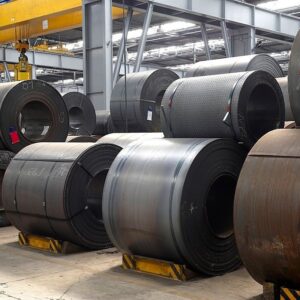
In the Coil Industry, White Rust on Galvanized Steel Coils is one of the common causes of deterioration in product surface quality right from the storage or transportation stage.
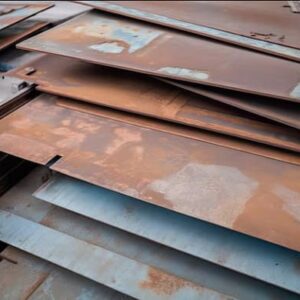
Different from the red rust that appears on carbon steel, White Rust is a form of white or grayish-white corrosion that forms on the zinc coating. This phenomenon usually occurs when galvanized steel is exposed to moisture under poor ventilation conditions, causing the zinc surface to react with water and oxygen to form white zinc compounds.
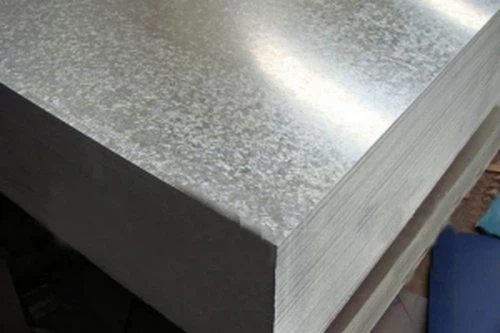
If not treated properly, white rust will wear away the protective zinc layer, directly affecting the long-term corrosion resistance of the plated steel.
Why does white rust appear on steel coils?
1. High humidity during storage
This is the most common cause.
When steel coils are stored in an environment with high humidity or condensation occurs, water will be trapped between the steel layers, facilitating corrosion reactions to take place.
Understanding the implications of White Rust on Galvanized Steel Coils is crucial for maintaining product quality.
Understanding White Rust on Galvanized Steel Coils is crucial for maintaining product quality.
2. Poor ventilation
If the steel coils are packed too tightly or stacked for a long time without air circulation, the steam cannot evaporate.
When discussing White Rust on Galvanized Steel Coils, it’s important to consider proper storage conditions.
This is the ideal environment for white rust to grow.
3. Unprocessed passivation
After galvanizing, the new zinc layer has very high chemical activity.
If the surface is not passively treated, the initial oxidation resistance is very low, and white rust may appear after only a short time.
4. Transportation in adverse weather conditions
The temperature difference between day and night or during container transportation is easy to create water condensation on the steel surface.
This is a common cause when exporting steel coils.
How does white rust work?
Many businesses think that white rust only affects the appearance. In fact, the consequences of this phenomenon are much more serious.
Reduced corrosion resistance
White rust consumes the protective zinc layer, making the steel more susceptible to oxidation in the actual use environment.
Decrease in trade value
For the galvanized, household electrical or building materials industry, white rusted surfaces are often rejected or asked for discounts by customers.
Difficulties in the coating process
To prevent White Rust on Galvanized Steel Coils, ensure proper ventilation is maintained.
The white rust layer reduces the adhesion of the paint and subsequent coatings, affecting the quality of the finished product.
Increased production costs
Businesses must clean surfaces, reprocess or even remove defective products, increasing operating costs.
Can white rust be treated?
Once white rust has formed, businesses can apply a number of treatment measures depending on the degree of corrosion.
For mild rust
-
- Clean with a soft cloth or nylon brush.
- Clean with a suitable solution to remove corrosive products.
After cleaning, check for signs of White Rust on Galvanized Steel Coils to ensure no further damage occurs.
Dry thoroughly before further storage.
If the zinc layer has not been significantly damaged, the surface can still be used.
For severe rust
If the white rust layer has grown thick or has deteriorated the galvanizing, you should:
- Re-evaluate the coating thickness.
- Check for residual corrosion resistance.
- Retreat the surface if necessary.
In many cases, the treatment is only a temporary remedy. The most effective solution is still prevention in the first place.
In particular, understanding White Rust on Galvanized Steel Coils helps in choosing appropriate treatment methods.
Effective white rust prevention solution
Coil manufacturers now prioritize combining many solutions to minimize the risk of white rust formation.
Implementing White Rust on Galvanized Steel Coils prevention techniques is essential for long-term durability.
Conditional storage
- Dry storage.
- Good ventilation.
- Avoid condensation.
- Humidity control.
Packaging with the right technique
Using the right packaging material helps to limit the ingress of water vapor during transportation and storage.
Applying passivation technology
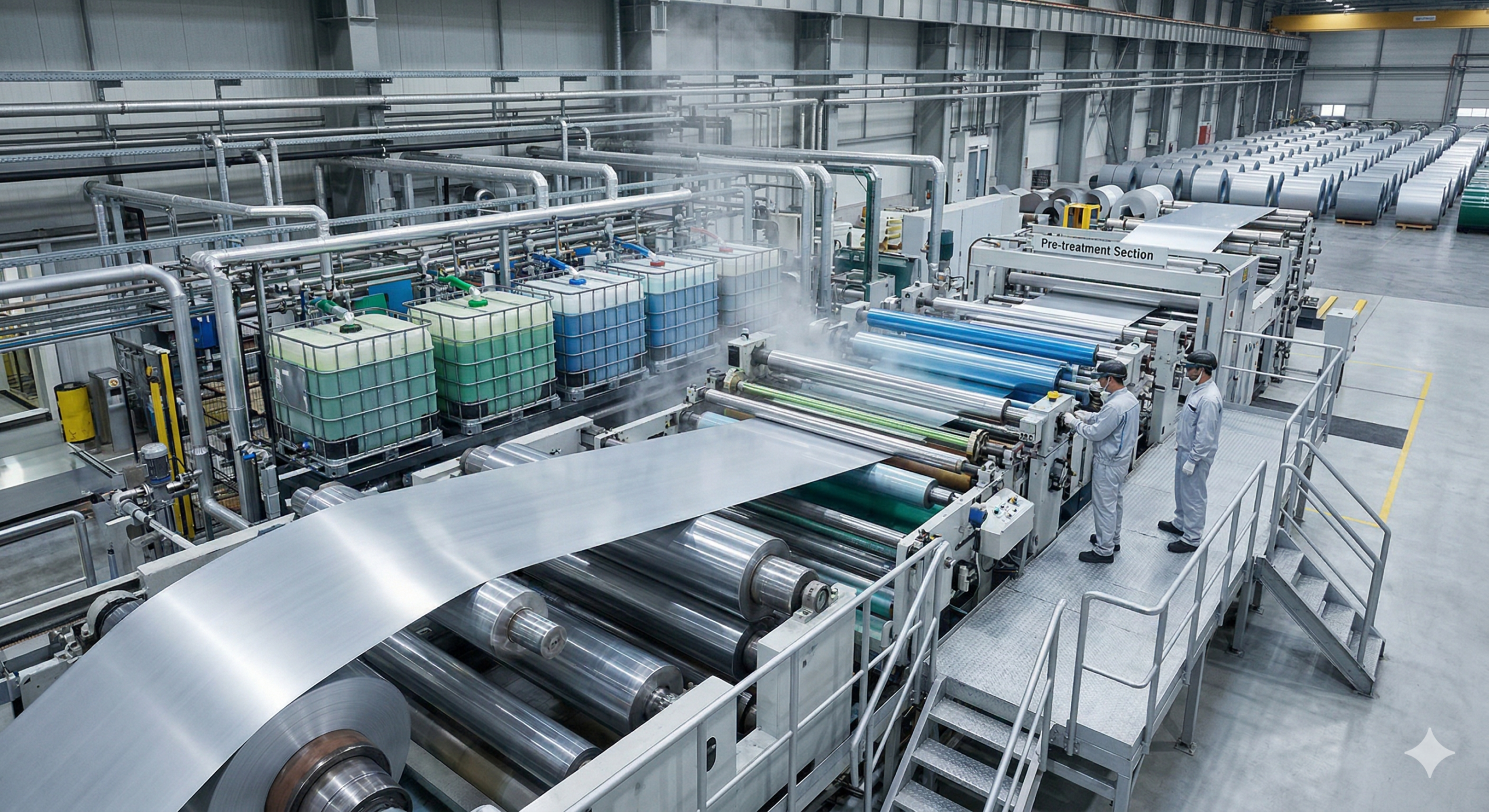
Passivation is considered the most effective solution today. ⇒ Read more
Passivation technology is vital in combating White Rust on Galvanized Steel Coils.
After the galvanizing process, the Passivation layer creates a very thin protective film on the steel surface, which helps:
-
- Reduce the oxidation rate of the zinc layer.
Preventing White Rust on Galvanized Steel Coils is more effective than treating it after it appears.
-
- Limit direct exposure to moisture.
- Prevents white rust.
- Increased corrosion resistance.
- Maintains surface quality during storage and transportation.
Ensuring proper techniques limit White Rust on Galvanized Steel Coils during storage.
PrimeCoat® – White Rust Prevention Passivation Solution for the Coil Industry
To meet the increasing requirements of the Coil Industry, AD Coil Coating Technologies has developed the PrimeCoat® Passivation line of chemicals with advanced Silane and Chrome III technology.
PrimeCoat® is designed specifically for continuous steel coil production lines, providing superior surface protection against white rust.
Outstanding advantages
The right materials can prevent White Rust on Galvanized Steel Coils during transit.
-
- Effectively limit the formation of white rust.
- Increased corrosion resistance.
- Does not contain Chrome VI.
- Compliant with RoHS requirements.
- Support forming and claw stamping.
- Improve paint adhesion.
- Anti-Fingerprint function can be incorporated.
- Reduces the need for post-treatment protective oils.
Utilizing effective solutions against White Rust on Galvanized Steel Coils is crucial for product integrity.
PrimeCoat® is suitable for a wide range of materials such as:
-
- Hot-dip galvanized (GI) steel
- Galvalume (AZ)
- Galvannealed (GA)
- Anonymous
- ZAM
- AluSi
- Other zinc base alloys
Understanding White Rust on Galvanized Steel Coils assists in developing better treatments.
Thanks to the transparent coating, PrimeCoat® retains a metallic appearance without causing discoloration or yellow spots on the surface.
DK Chemicals – Providing an effective solution to treat white rust
Effective management of White Rust on Galvanized Steel Coils can enhance overall product quality.
As a provider of metal surface treatment solutions in Vietnam, DK Chemicals not only distributes the PrimeCoat® line of chemicals but also supports businesses to optimize the entire coil steel surface treatment process.
DK Chemicals’ technical team advises from line survey, selection of suitable passivation system to optimization of coating quantities and operating parameters to improve corrosion resistance, reduce error rate and improve finished product quality.
A thorough understanding of White Rust on Galvanized Steel Coils can lead to better market competitiveness.
With experience in the field of metal surface treatment, DK Chemicals aims to help businesses reduce production costs, increase product life, and meet the increasingly stringent technical requirements of the domestic and international markets.
White rust is a common corrosion phenomenon but can be completely controlled if businesses apply the right warehousing process and choose the right surface treatment solution. The investment in passivation technology not only helps to limit white rust but also improves corrosion resistance, improves product quality and optimizes production efficiency.
For the modern coil industry, chemical systems such as PrimeCoat® are becoming the preferred choice due to their superior surface protection, meeting environmental standards and supporting businesses to improve their competitiveness in the market.
Some Frequently Asked Questions (FAQs)
1. What is white rust?
White Rust is a corrosion phenomenon that appears on the surface of galvanized steel or zinc-based alloys when exposed to environments with high humidity, condensation and poor air circulation. The corrosion layer is usually white or grayish-white and is a sign that the protective zinc layer is being depleted.
2. What is the difference between white rust and red rust?
White Rust occurs only on the zinc coating, while Red Rust occurs when the base steel is oxidized.
In other words, white rust is the corrosion of the zinc coating, and Red Rust is a sign that the protective layer has lost its effectiveness and the base steel has begun to corrode.
3. Does white rust affect the quality of steel coils?
Yes.
If not treated or prevented in time, this phenomenon can:
- Reduce the corrosion resistance of the plating.
- Causes loss of surface aesthetics.
- Affects coating ability.
- Reduce the commercial value of steel coils.
- Increase the rate of defective products in the production process.
4. Is it possible to remove white rust completely?
This depends on the degree of corrosion.
For mild lightning wholesaling, the surface can be cleaned using suitable methods. However, if the zinc layer has been significantly depleted, cleaning cannot fully restore the original protection.
Therefore, prevention is always a more effective and economical solution than treatment after rust appears.
RELATED ARTICLES
Why does galvanized steel still rust white? Efficient Passivation Solutions for the Metal Industry
Galvanizing process and the trend of choosing modern passive chemicals
YOU MAY BE INTERESTED IN
Address to provide reputable white rust remedies?